

How MAC valves reduce energy consumption in pneumatic systems
Valve technology affects both electricity and compressed air consumption in automated pneumatic systems. MAC Valves combines pulse technology, pressure-balanced designs, optimised airflow and fast response times to minimise energy losses and improve system performance.
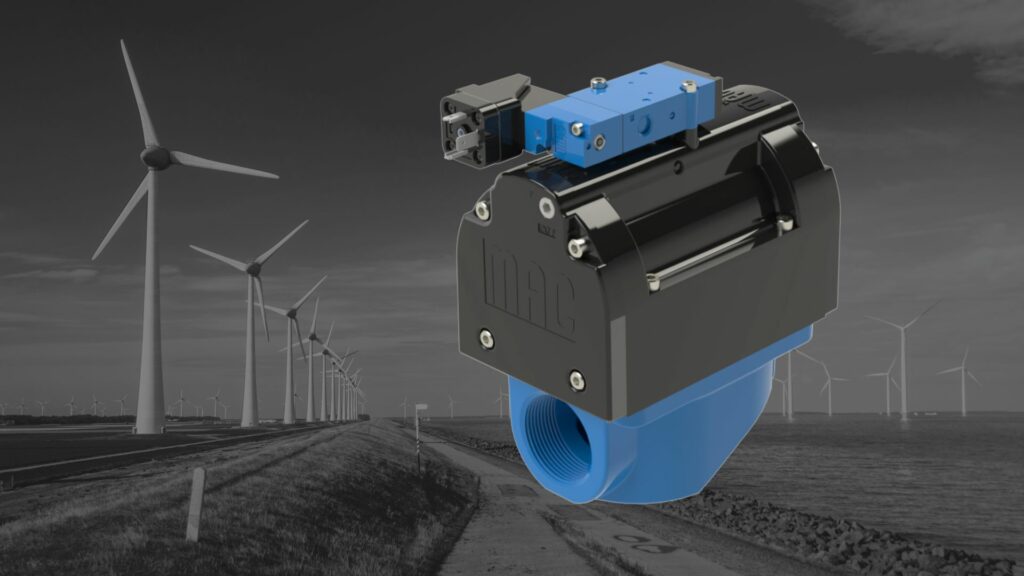
Traditional valves can cause unnecessary energy waste
Traditional valves can have high energy consumption due to their coil and valve design. The coil often requires a continuous current to hold the valve in the desired position, while longer actuation times can further increase energy requirements.
In pneumatic systems, the valve’s flow characteristics and response time also affect compressed air consumption. Internal pressure drops, friction, turbulence and leaks mean that the compressor has to deliver more air and work harder to maintain the required pressure.
The choice of valves therefore affects not only the speed and precision of automation, but also the system’s overall energy consumption and operating costs.
Eight technologies reduce energy consumption
MAC valves use a range of technical solutions that limit electricity consumption, reduce air waste and ensure faster actuation.
Pulse technology
During actuation, the coil delivers a short current pulse, after which it switches to significantly lower current consumption to hold the valve in position. The pulse typically lasts 5-10 milliseconds, while power consumption can drop from 4-8 W during actuation to less than 0.5 W in the holding position. The technology can reduce the coil’s electricity consumption by up to 90% compared with traditional valves.
Internal pressure balancing
A pressure-balanced design reduces the force required to actuate the valve. This results in a faster response and lower energy consumption. MAC valves can have a pressure drop of less than 0.1 bar at an operating pressure of 6 bar and a response time of less than 10 milliseconds.
Efficient coils
MAC’s coil designs have low inductance and therefore require less current to generate the necessary magnetic field. This reduces both electricity consumption and heat generation in the valve’s magnetic system.
Optimised airflow
MAC’s spool and sleeve technology reduces friction and turbulence in the valve’s moving parts. This provides high flow capacity with lower energy losses and allows some valves to operate at an actuation pressure as low as 0.1 bar.
Balanced Poppet Design
The pressure forces on both sides of the valve are balanced, so less magnetic force is required for actuation. The design can reduce actuation energy by up to 50% and, in certain configurations, deliver response times of less than one millisecond.
Reduced internal leakage
Precision machining and seals made from materials including fluorocarbon and PTFE minimise internal leakage. Maximum internal leakage can be less than 0.1 ml per minute at 6 bar.
Optimised pilot control
In pilot-operated valves, a smaller pilot valve actuates the main valve. The pilot valve requires only a fraction of the energy that would otherwise be needed to actuate the valve directly.
Faster response
Fast switching limits the amount of compressed air released unnecessarily during a production sequence. MAC’s 35 series can respond in less than two milliseconds, and air waste per cycle can be reduced by up to 30%.
Identify the potential in your pneumatic system
The potential savings depend on the size of the installation, the valves’ operating hours, the number of activations and the current consumption of electricity and compressed air. A system review can identify the valves and applications where energy optimisation will have the greatest impact.
- Record the number of valves in the system
- Determine the valves’ power consumption during activation and in the holding position
- Check the valves’ response times
- Record the system’s operating hours and number of switching cycles
- Measure the pressure drop and the required operating pressure
- Check the installation for internal and external leaks
- Assess the flow requirements of each application
- Compare the current valves with pressure-balanced alternatives
- Calculate the savings on both electricity and compressed air
- Compare the investment with the expected payback period
The assessment should be based on the company’s own operating data. This provides a more accurate picture of how much an upgrade can reduce energy consumption and how quickly the investment can pay for itself.
From technical optimisation to measurable savings
An example calculation illustrates the scale of the potential savings. A conventional valve running continuously may consume 10 W of power. An equivalent MAC valve with pulse technology can use less than 1 W in the holding position.
In a system with 100 valves, this difference can deliver annual savings of up to 7,884 kWh. In this example, that equates to a financial saving of more than DKK 15,000. The actual savings depend on the valve type, operating hours, activation pattern and energy price.
In addition to reduced energy consumption, faster response, less heat generation and reduced leakage can contribute to better performance, longer service life and lower maintenance costs. Hans Buch can calculate the payback period for a solution based on the company’s specific operating data.
Pulse valves
How much energy can your valves save?
Have your potential savings and payback period calculated based on your own operating data.
Rasmus Riis Mortensen
Sales Manager, External Sales
Per Lykkebæk Larsen
Senior Product Manager