

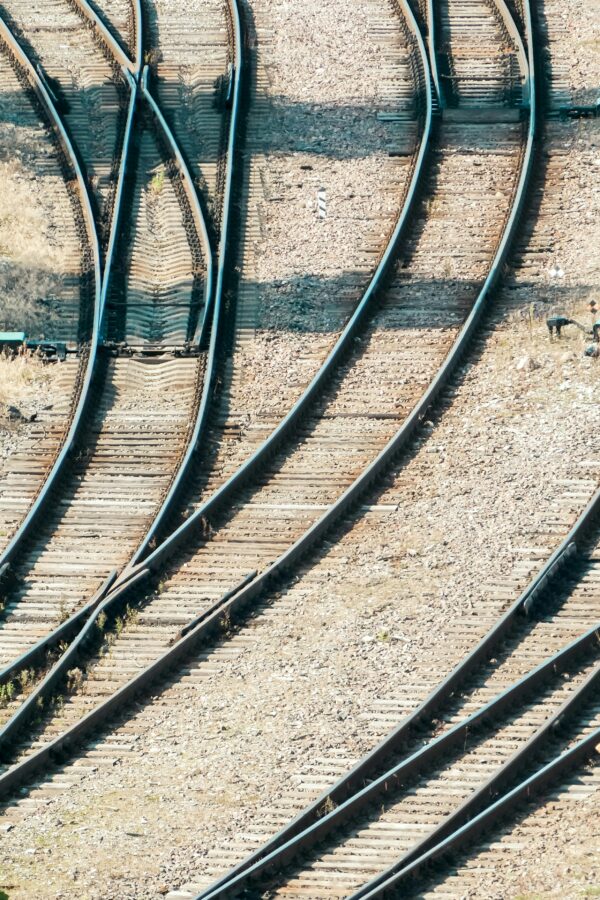
Rails for railway infrastructure and rolling stock
The rail is the load-bearing component of the railway and provides the foundation for stability, safety and operation.
At Hans Buch, we supply rails for both new railway construction and the maintenance of existing railway lines. We help you select rail profiles, materials and solutions that match the load, speed and application.
Rails in various profiles and standards
We supply rails in various profiles depending on the application, load and required standards.
- UIC 60
- UIC 54
- DSB 45
- Other rail profiles as required
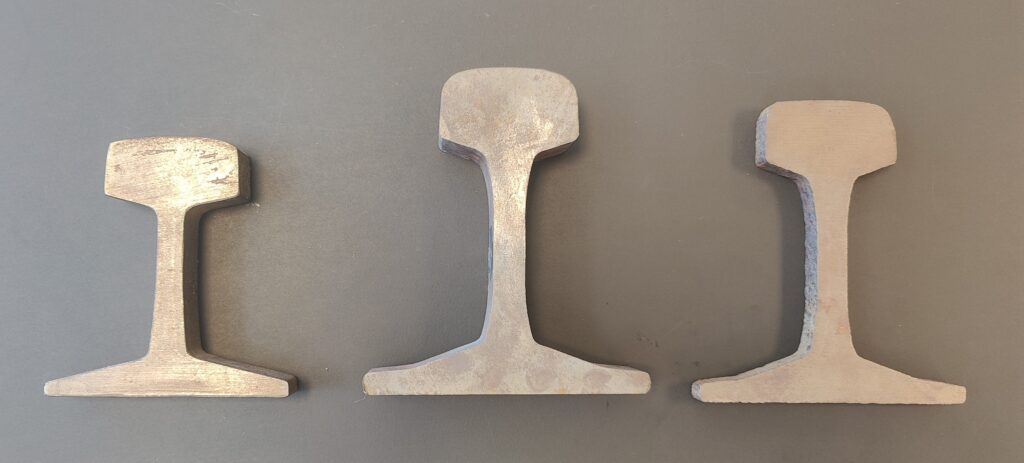
Rail profiles such as UIC60 and UIC54 are widely used in Europe and are designed to handle both high speeds and heavy loads.
Designed for load-bearing capacity and reliable operation
Rails must be able to withstand high axle loads while ensuring a stable and smooth running surface for trains.
Profile and weight influence where a rail is used. Heavier profiles are typically used on lines with high loads and speeds, while lighter profiles are used on less busy lines.
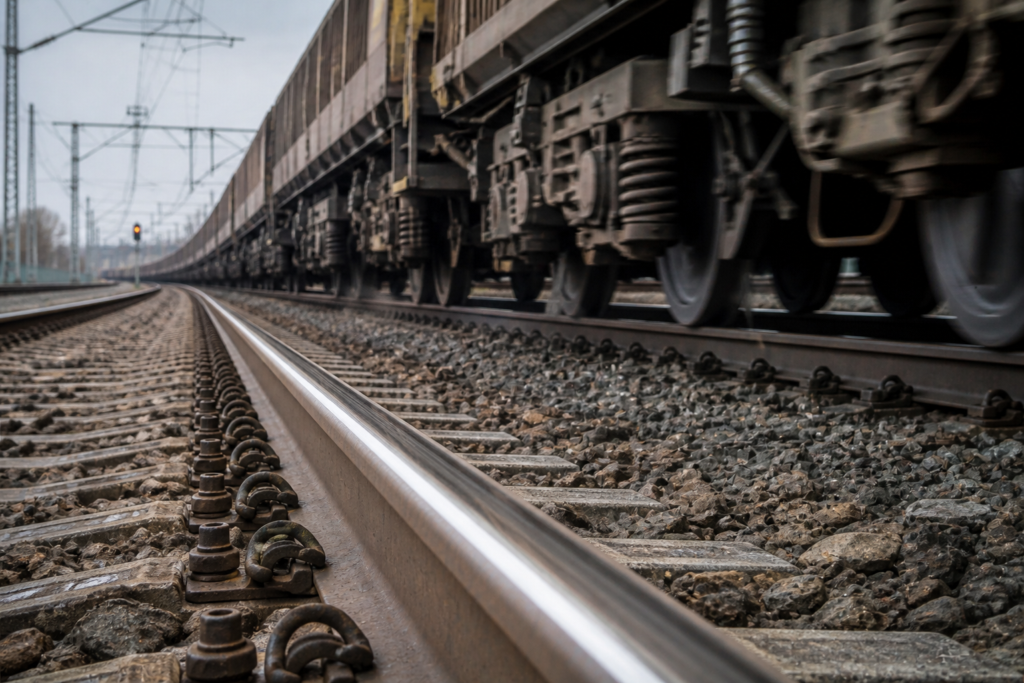
Rails are designed to:
- Distribute loads from wheels to sleepers
- Maintain stable track alignment
- Resist wear and deformation
- Support safe and efficient operation
Materials for demanding operating environments
Rails are manufactured from high-strength steel that can withstand repeated loads and extreme operating conditions.
Material selection and heat treatment have a significant impact on wear resistance, service life and maintenance requirements. Rails for heavy loads often use hardened steel grades that reduce deformation and extend service life.
Modern rail profiles are developed to:
- Withstand high axle loads
- Reduce wear on both wheels and rails
- Ensure reliable operation over time
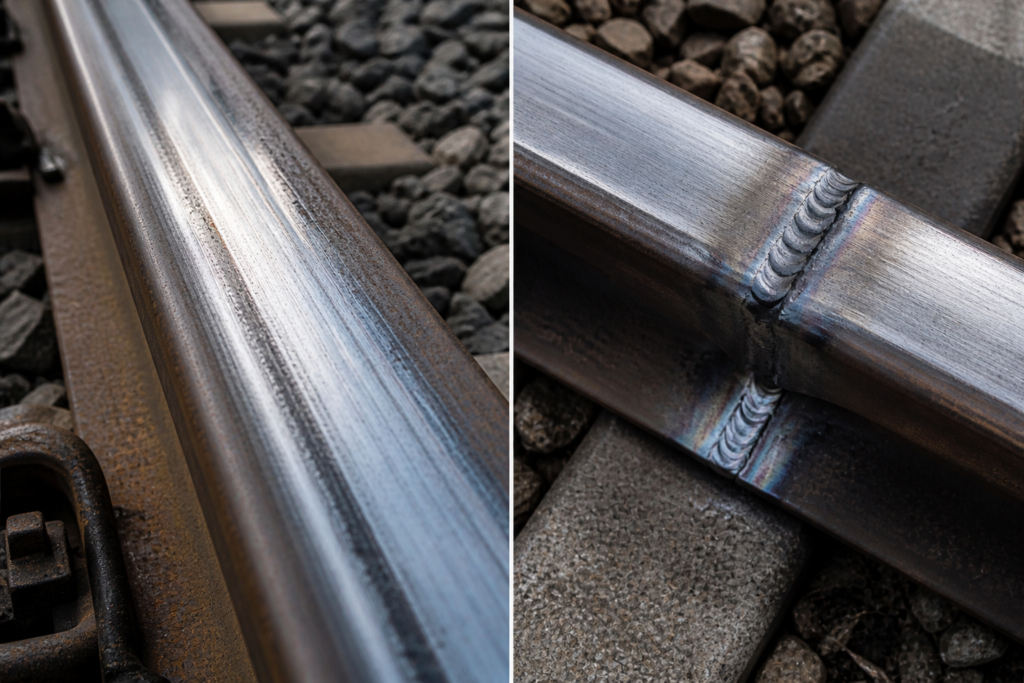
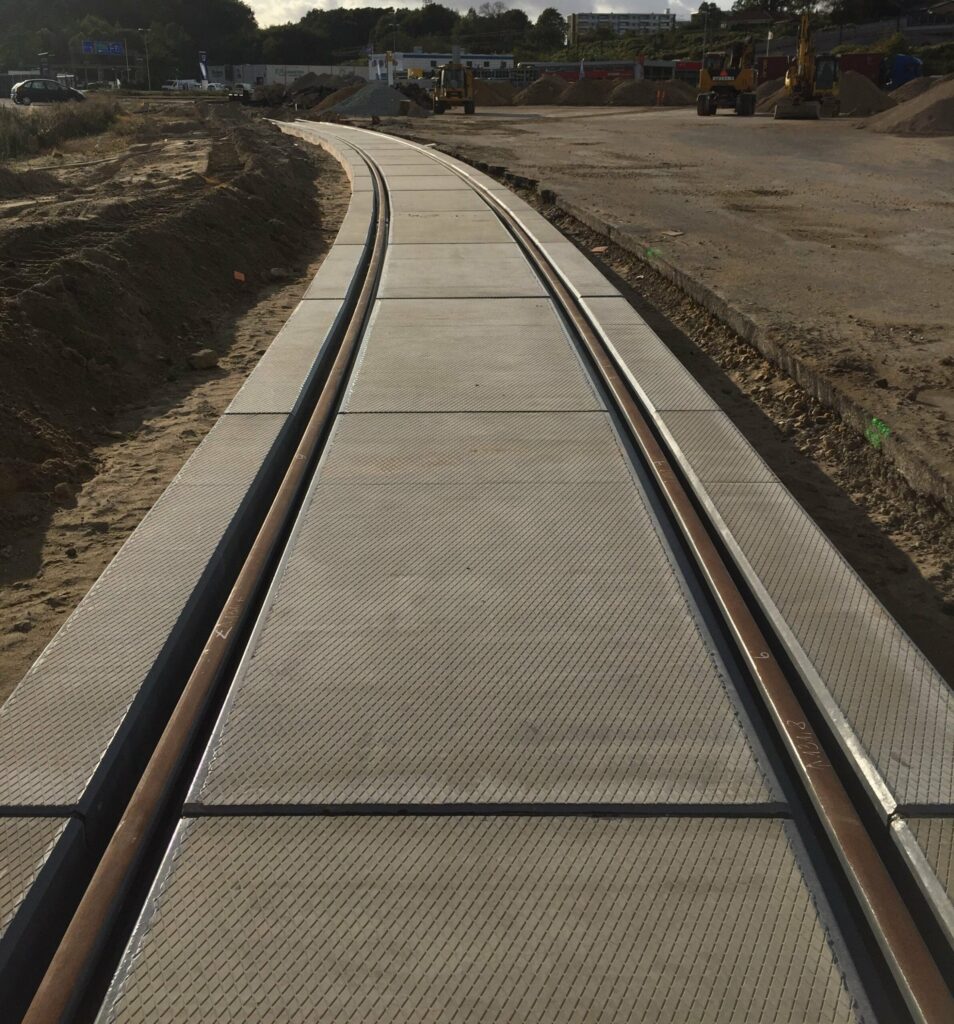
For different types of railway
Many types of rails
The choice of rail depends on traffic volume, speed and environment.
- Main lines
- Light rail and metro
- Industrial sidings
- Freight transport
- Temporary tracks and projects
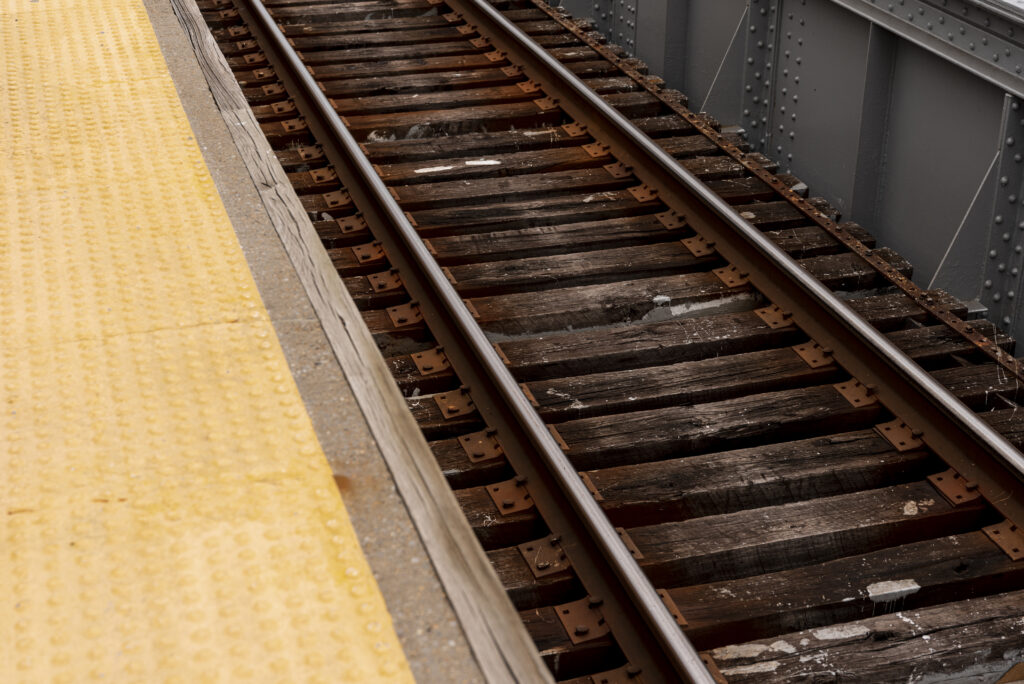
Part of the overall track structure
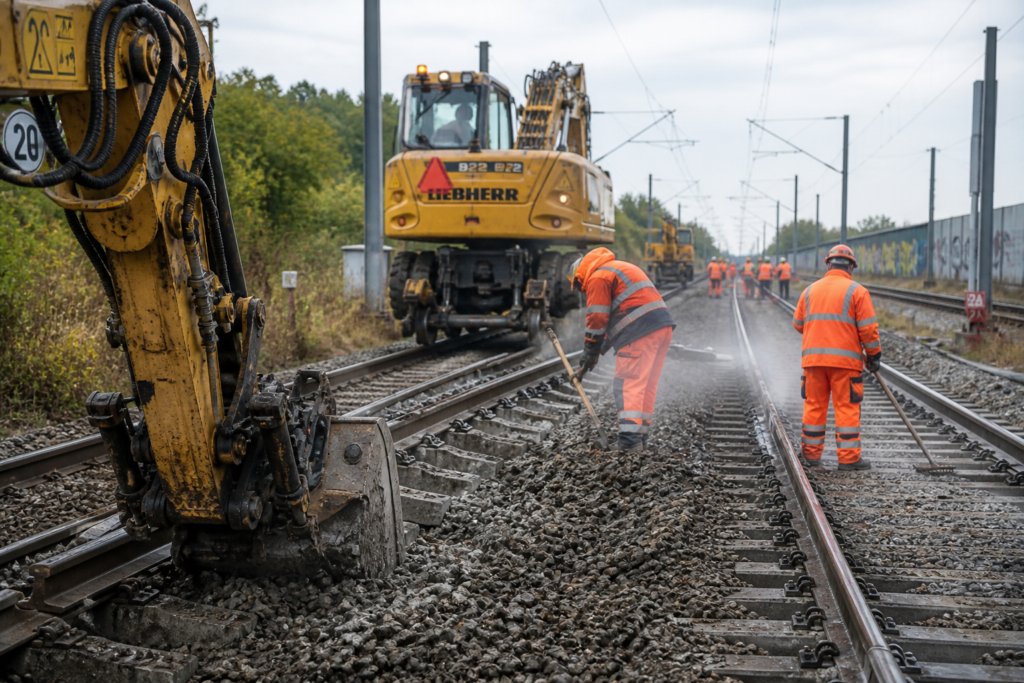
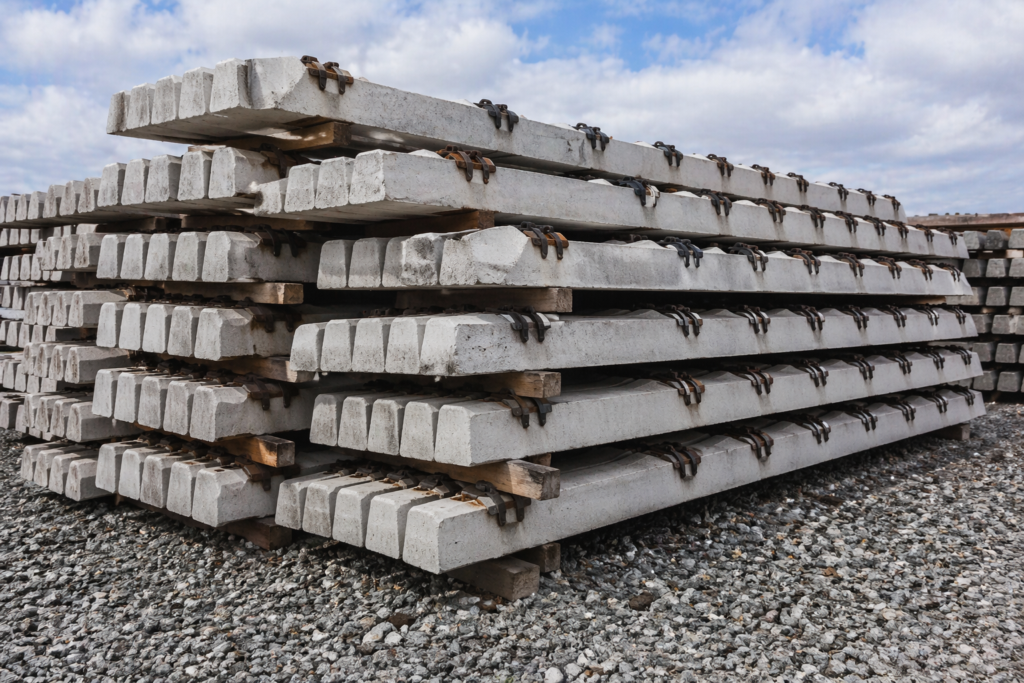
Rails form part of an overall structure together with sleepers, fastenings and ballast.rnrnTo ensure optimal performance, it is important that all components work together as a complete system.
Customer service
Do you need rails for your project?
Contact us for advice on rail profiles, materials and solutions for railway infrastructure.
Hans Henrik
Sales Director
-Railway
Daniel Jensen
Internal Sales and Project Coordinator
-Railway
Kim Bøglund Andersen
Sales Engineer
-Railway

Contact us – EN
We usually reply within 1–2 working days.