

Protect the workplace from hazardous gases
Toxic, flammable and oxygen-displacing gases are used in many industrial processes. Even when regulations and safety measures are in place, leaks and accidents can occur. With the right gas detection, you are better equipped to detect hazardous concentrations in time and protect employees, plant and operations.
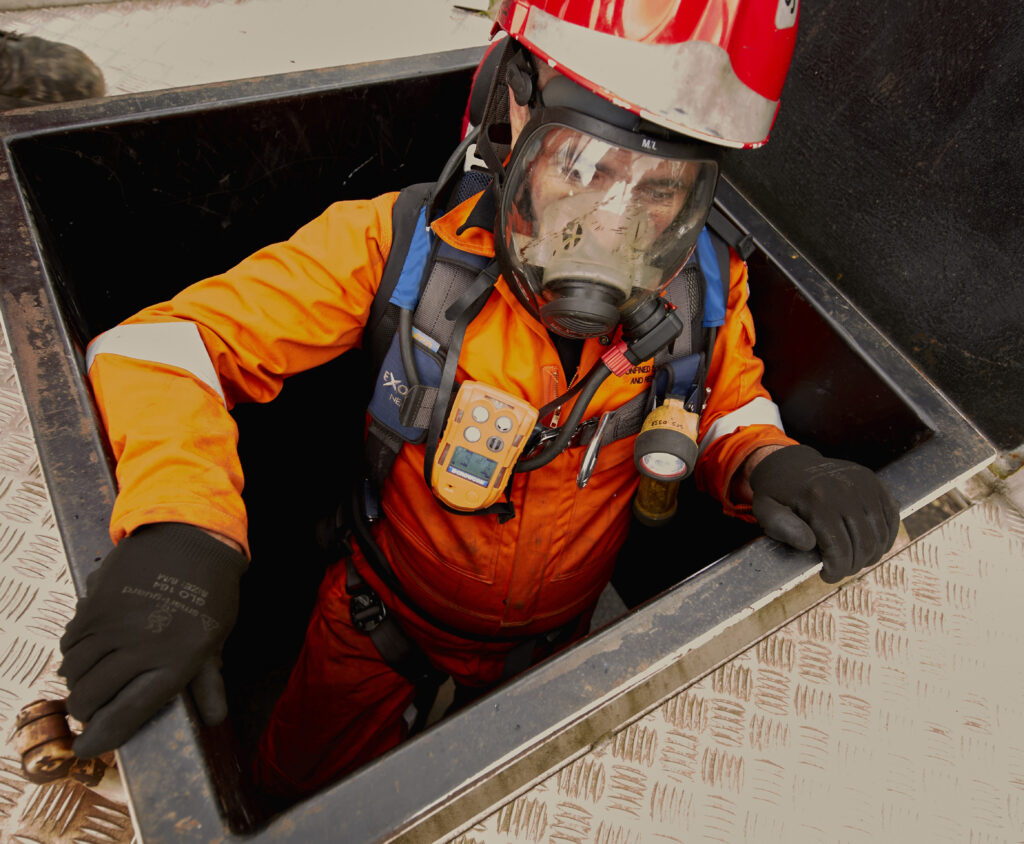
Hazardous gases are not always easy to detect
Some gas leaks are detected quickly because the gas has a strong odour. This applies, for example, to chlorine, ammonia and hydrogen sulphide. Other gases are odourless or difficult to detect without measuring equipment.
Carbon monoxide is a clear example. The gas is produced by incomplete combustion and is extremely toxic; even low concentrations in the air can be fatal. Carbon dioxide and nitrogen pose a different type of risk because they can displace oxygen in the surrounding environment. Gas detectors are therefore often installed in rooms where, for example, nitrogen is used for freezing or CO2 for carbonation.
Gas detection is also about oxygen levels
Hazardous conditions can arise in many places without obvious warning signs. These include cargo holds, wells, tank installations and other areas where gases or oxygen displacement may occur.
Even oxygen, which is normally considered essential to life and harmless, can pose a risk at concentrations that are either too low or too high. Too little oxygen can quickly lead to serious harm, while oxygen enrichment significantly increases the risk of fire. Reliable monitoring of oxygen levels is therefore an important part of safety in workplaces where gases are handled, stored or may be produced as part of a process.
Know which gases can pose a risk
Gas detection should be based on the specific gases and processes in the workplace. Different gases require different types of monitoring, as the risk may involve toxicity, fire, explosion or oxygen displacement.
Oxygen: Concentrations that are too low can cause serious harm to health, while concentrations that are too high increase the risk of fire. Oxygen enrichment can occur in places where oxygen cylinders are stored, for example in hospitals, laboratories or production facilities.
Ammonia: Classified as an extremely hazardous substance, it can be toxic, flammable and corrosive in concentrated form if leaks occur.
Hydrogen: Hydrogen is extremely flammable and can cause a fire or explosion when mixed with atmospheric air. At high concentrations, hydrogen can also displace oxygen and create a risk of severe oxygen deficiency.
Chlorine: Chlorine is toxic and can be fatal in concentrated amounts. Although chlorine is not flammable, it can react with combustible substances and create a risk of fire and explosion.
Methane: Methane is odourless, colourless and non-toxic, but it is flammable. It is therefore important to guard against leaks, particularly because of the risk of fire and explosion.
Hydrogen cyanide: HCN, also known as prussic acid, is an extremely toxic, colourless and volatile gas. It can occur in chemical manufacturing processes, including the production of paint, plastics and insecticides. The gas may have a faint almond odour, but many people cannot detect it, making gas detection necessary.
Timely precautions protect both people and operations
Gas detection provides a stronger foundation for workplace safety. Fixed monitoring allows critical areas to be monitored continuously, while portable gas detectors can be used for personal safety, servicing tasks and work in potentially hazardous areas.
Hans Buch offers gas detection solutions in partnership with Crowcon. These include both fixed systems and portable gas detectors, as well as assistance with commissioning and servicing the equipment. Correct detection, measurement and alarms make it easier to respond in time and reduce the risk of serious incidents.
Find the right gas detector
Explore fixed monitoring and portable gas detection solutions for personal safety and industrial environments.
Hans Buch provides advice on selecting, commissioning and servicing gas detection equipment, ensuring the solution suits your workplace and the gases you work with.
Teit From Løvstrøm
Product Manager
Brian Beck Faymonville
Sales Engineer